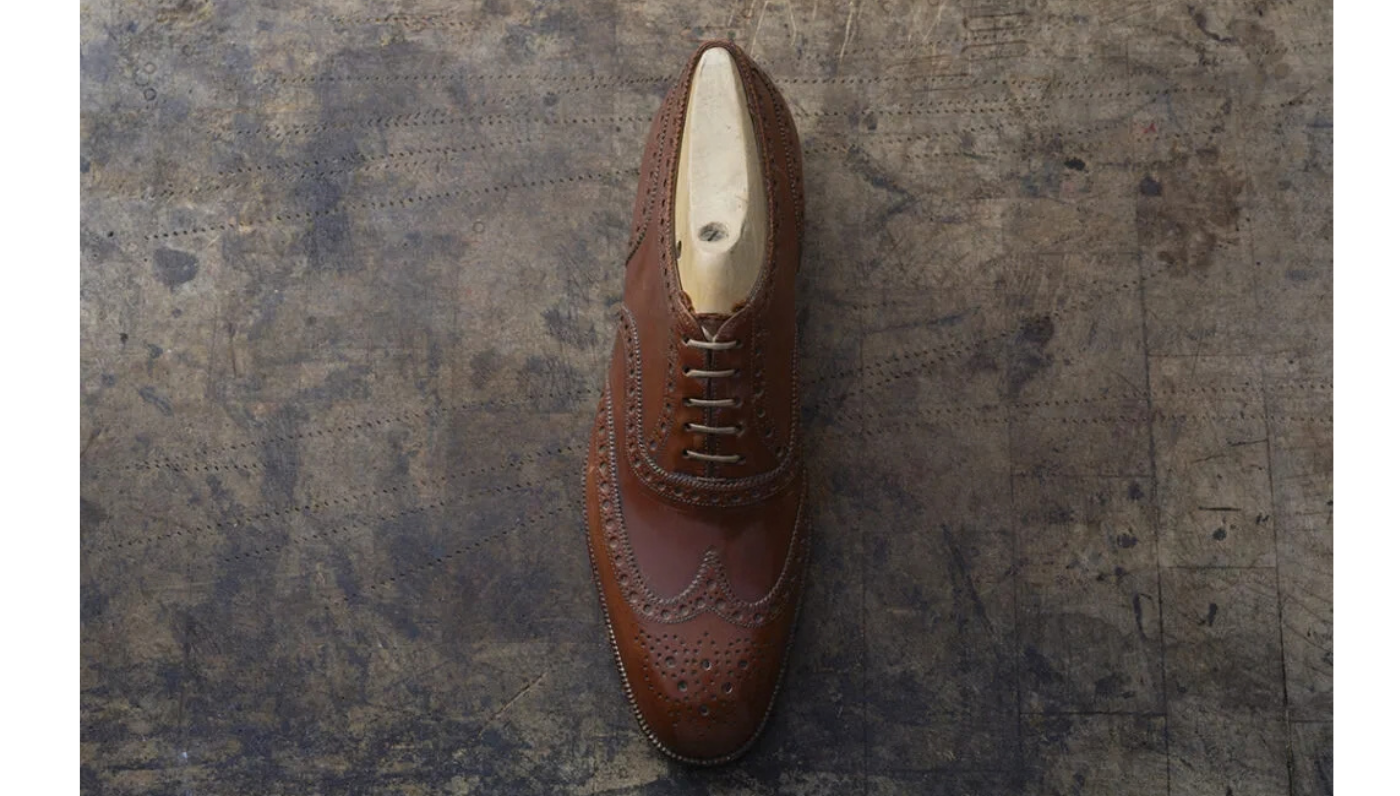
Canons is a new name with a long history behind it. Simon Bolzoni spent some 20 years at Foster & Son, eventually becoming managing director, before buying the Jermyn Street shoemaker in 2022. He moved the bespoke operation to a workshop in north London and renamed it Canons.
The Foster archive came with the business, including lasts made for Paul Newman and Fred Astaire. The methods remain traditional too. Last-making and pattern cutting are done in-house, and the shoes are handmade to measure using hand-welted construction.
Simon Crompton of Permanent Style, who has commissioned shoes from many of Europe's and Japan's leading bespoke makers, described his first Canons pair as the most comfortable bespoke shoes he had owned. Not softer or looser, simply properly roomy where they needed to be.
Bespoke price on request.
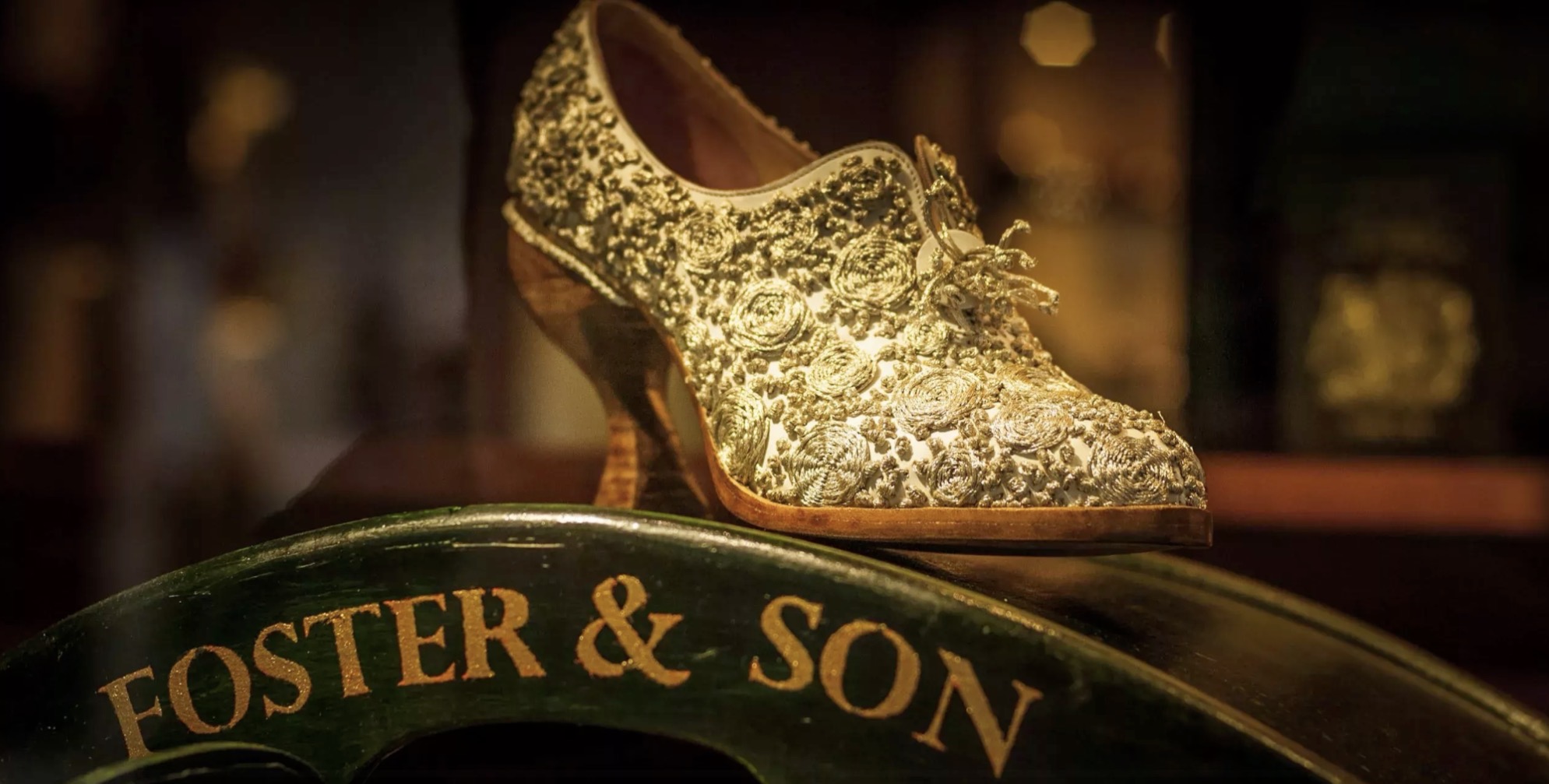
Caroline Groves has been making bespoke shoes and boots for more than 30 years, specialising in footwear for women from her Gloucestershire atelier.
Each commission begins with the client's feet rather than a standard house shape. Individual lasts are made to her measurements and the intended design, while every heel is carved separately, usually from beechwood.
Groves also brings techniques more readily associated with decorative arts into shoemaking. Her work has included needlepoint, embroidery, hand painting, calligraphy, leatherwork and 22-carat gold tooling. Some pairs are simple. Others are anything but.
She also travels to the US for private appointments.
Price on application.
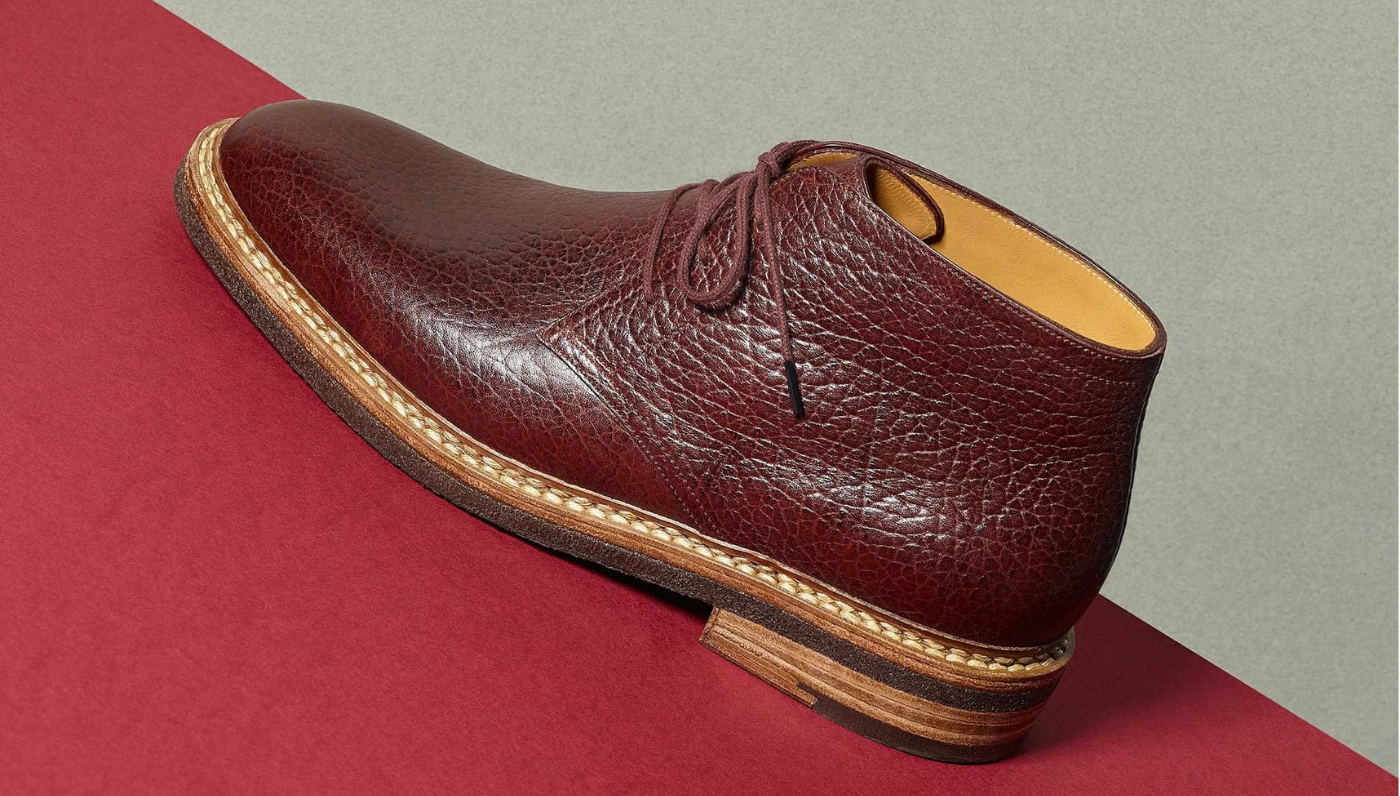
Massaro made one of the most familiar shoes in fashion history. In 1957, it developed Gabrielle Chanel's beige-and-black two-tone shoe, designed with a beige body to lengthen the leg and a black toe to make the foot appear smaller. Chanel acquired Massaro in 2002.
The shoemaker had already been in business for more than a century. Founded in Paris in 1894, it has made shoes for clients including Barbara Hutton, Elizabeth Taylor and Romy Schneider, as well as for the couture houses of Paris.
Private commissions remain a physical process. Feet are measured before individual wooden lasts are carved and a prototype is made for fitting. The last-maker can spend four to six hours shaping the beech or hornbeam form alone. Massaro's archive now contains around 6,000 pairs of lasts.
Finished shoes are generally delivered one to three months after ordering. Women's made-to-measure starts at €5,500 and men's at €7,200.
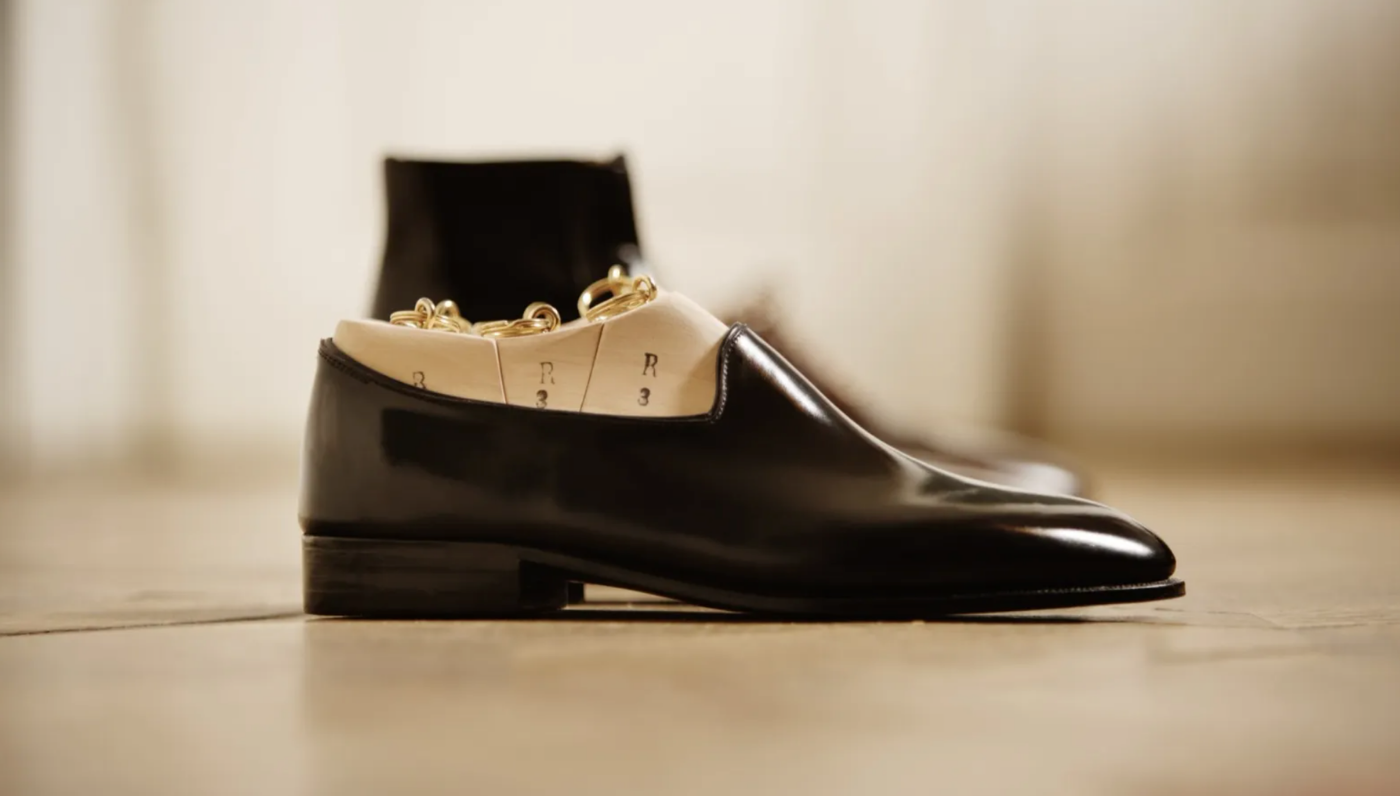
Rudolf Scheer & Söhne has been making shoes in Vienna since 1816. Seven generations later, the family business remains on Bräunerstraße and produces no more than around 300 pairs a year.
A first commission takes four appointments. Measurements come first, followed by the making of the last, pattern, upper, sole and trial shoe. Scheer allows around 30 hours for this stage. After the fitting, another 50 or so hours go into refining and making the finished pair and its shoe trees. A later appointment checks the fit once the shoes have been worn.
Scheer became an Imperial and Royal Court supplier in 1878. Today, a first pair starts at €10,000.
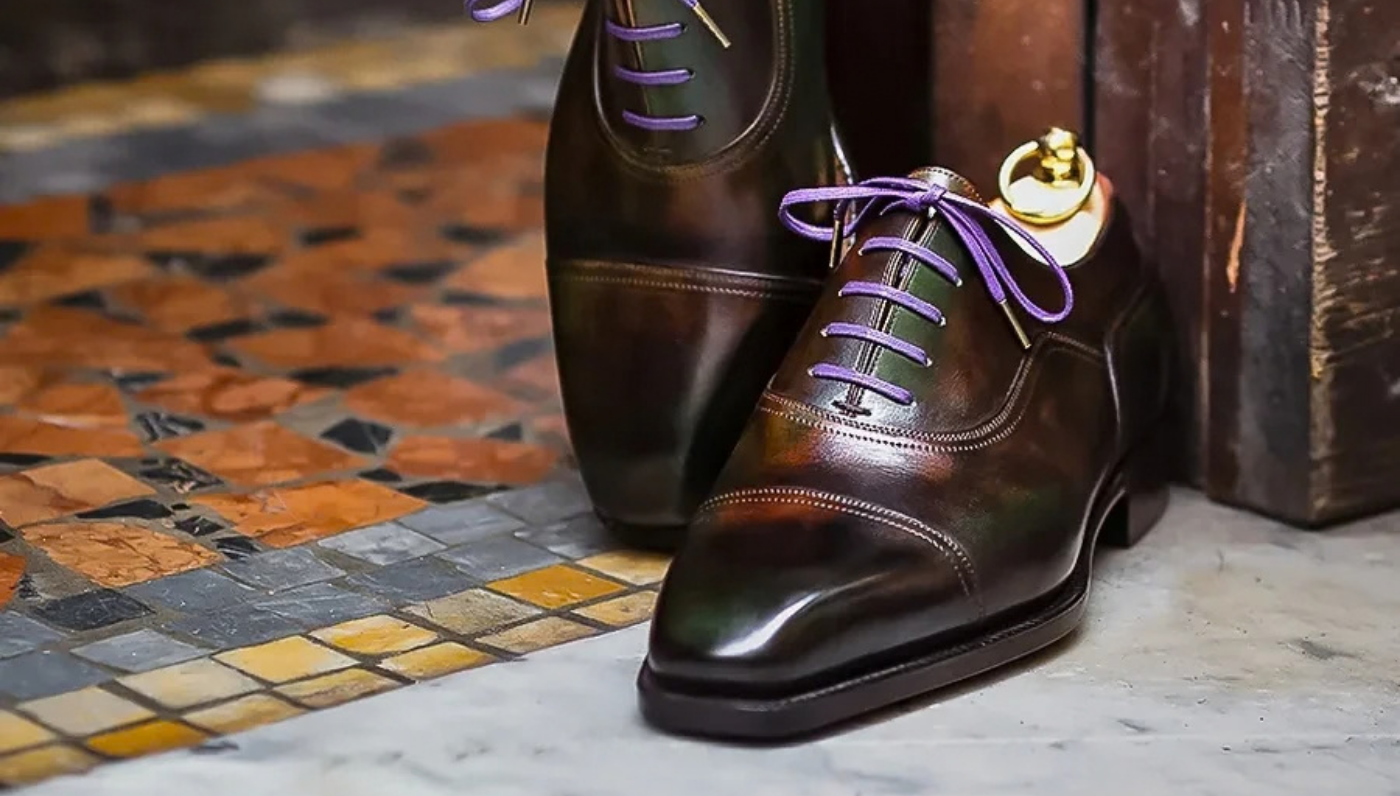
Stefano Bemer began making shoes in Florence in 1983. The business that bears his name still works from the city, with bespoke sitting alongside its ready-to-wear and made-to-measure collections.
Its full bespoke service is called Sixpence. The first appointment covers the tracing and measurement of both feet, together with an assessment of posture and the shape of the foot. A personal last is then made, followed by a second fitting three to six months later. Leather, pattern and the remaining details are settled before the final pair is completed.
The shoes carry Bemer's characteristic fiddleback waist, known at the workshop as “the violin”. The personal last can be kept and altered for subsequent commissions.
Sixpence Bespoke starts at $4,700, plus a one-time $700 charge for the creation of the last.
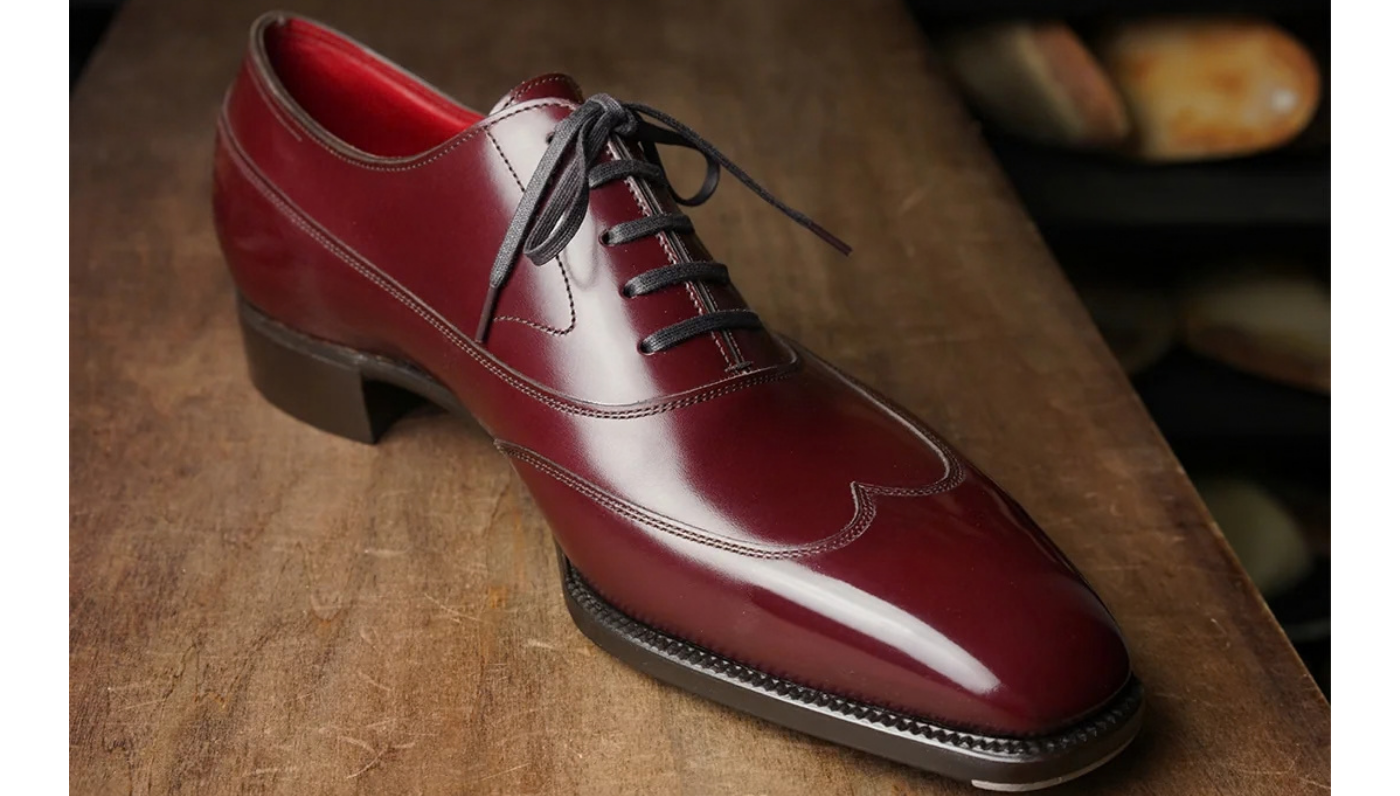
Yohei Fukuda learnt to make shoes in England. He trained in Northamptonshire, completed an apprenticeship and spent several years working for firms in London before returning to Japan. He opened his Tokyo workshop in 2008.
That background is still visible in his shoes. The Oxfords are restrained, the proportions closely judged and the influence of traditional English shoemaking clear. The execution belongs firmly to Tokyo.
For full bespoke, Fukuda creates a personal last and individual pattern before making a trial shoe. The final pair is hand-lasted and hand-welted with hand-stitched soles. Bespoke shoe trees are included.
A first full-bespoke pair starts at ¥820,000. Fukuda currently quotes a lead time of around 24 months.
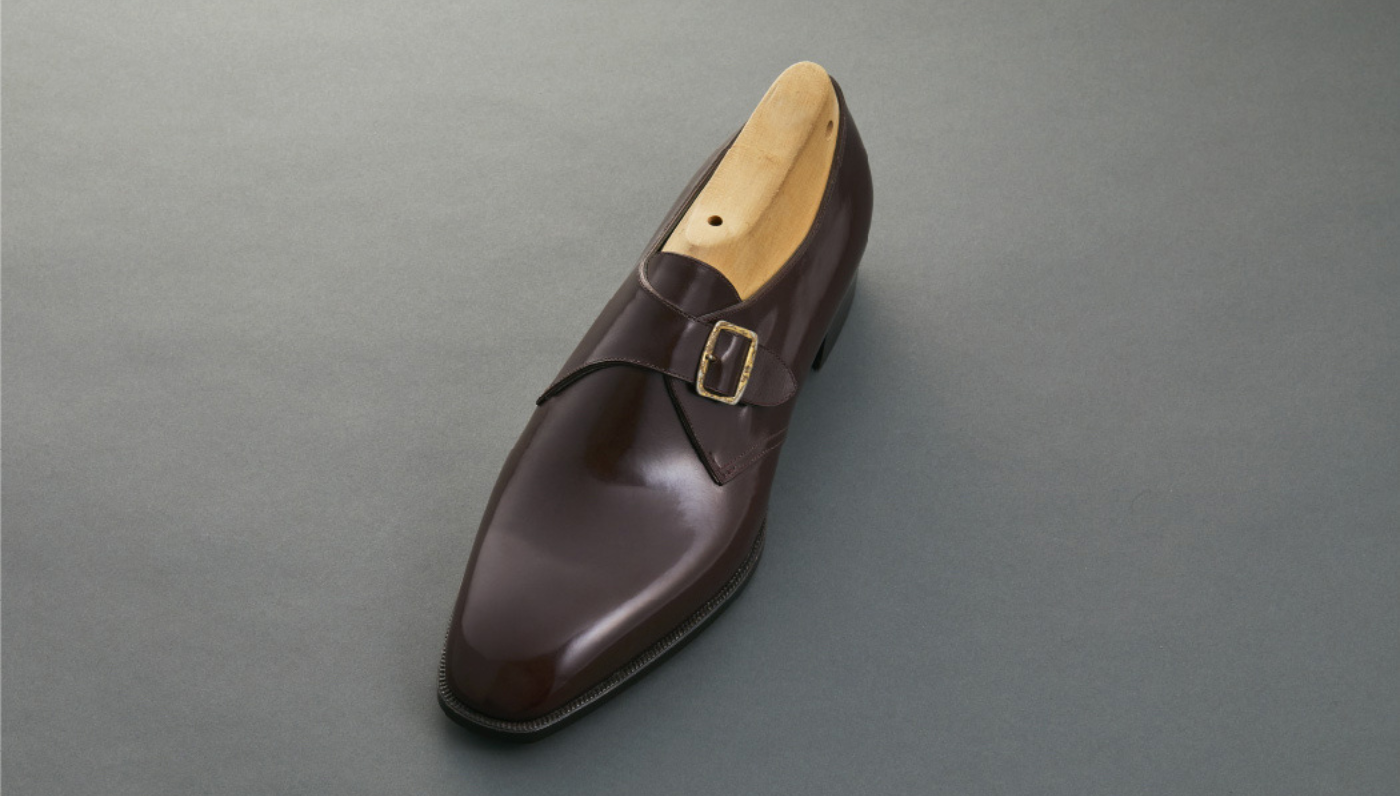
Shoji Kawaguchi went to Northampton after university and studied at Tresham Institute before learning bespoke shoemaking under Paul Wilson, an outworker for houses including George Cleverley and John Lobb Paris. He later worked with Tony Gaziano and for Gaziano & Girling before establishing Marquess in Tokyo in 2011.
The British training shows. Marquess shoes tend towards restrained uppers, close-cut heels and little ornament.
A commission begins with measurements and a design. A block of wood is then cut and rasped into a last for the client's foot. Fitting shoes are made and worn before the last is corrected and the final pattern cut. The finished shoes are made by hand and supplied with individual shoe trees.
Bespoke starts at ¥450,000 plus tax, including shoe trees. Orders are taken by appointment at the Ginza atelier.
.png)
Seiji McCarthy describes his shoes as “American style, Japanese craftsmanship”, which is about as accurate as a house description gets.
Penny loafers, longwings and other American classics are made in his Tokyo workshop with the kind of handwork more commonly associated with formal European footwear.
A bespoke full-strap loafer commissioned by Permanent Style went through two fittings and a trial shoe. McCarthy also adjusted the colour of its Japanese cordovan by hand to bring it closer to the darker tone found on old American shoes.
Demand has caught up with him. McCarthy is currently not accepting new bespoke customers. Existing clients can still order, and prospective customers can join a waiting list. Made-to-order and made-to-measure remain available.
Bespoke starts at ¥580,000.

ACME opened in Beijing in 2020, which makes it an unusually young name in a trade that likes to count its history in generations.
The experience is in the workshop. ACME says its team includes more than 15 artisans with an average of more than 30 years in the trade. Its range runs from ready-to-wear through to full bespoke, with hand construction used well beyond the top tier.
The work has also been tested outside the showroom. At the 2024 World Championships of Shoemaking, ACME finished fourth, one point short of the podium. Judges gave the entry notably high marks for difficulty and execution.
Specialist publication Shoegazing now describes ACME as China's leading workshop for top-level shoemaking.

Josh Leong went to Florence to learn the trade, apprenticing at Stefano Bemer before returning to Singapore and establishing his own workshop in 2015.
His bespoke process begins with detailed measurements and a set of lasts made for the client's feet. Fitting shoes are then produced in the chosen leather and tried on at a second appointment. The lasts can be altered again before work begins on the finished pair.
Construction is done by hand. The shoes are hand-lasted and hand-welted, with the outsoles stitched by hand too. Leong says each pair takes more than 100 hours to make, using leathers sourced principally from France, Italy and Germany.
The workshop also offers made-to-order shoes, but bespoke clients are not restricted to the house's existing designs.
Bespoke price on request.
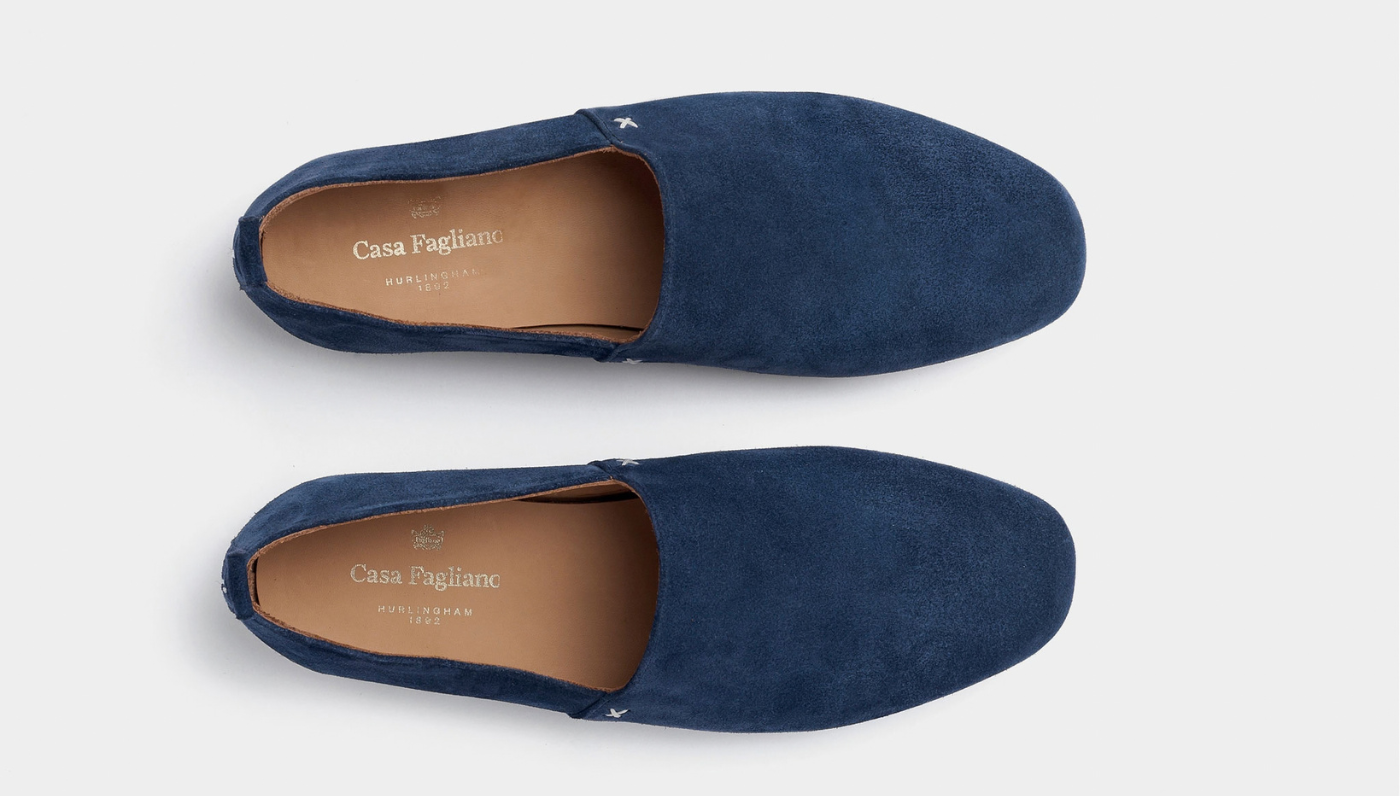
The Fagliano family has worked from the same workshop in Hurlingham, outside Buenos Aires, since 1892. Five generations later, its name is still most closely associated with polo boots.
That began in 1920, when a professional polo player came in for a repair and subsequently ordered a new pair. The boots made there today still have to do a job. Four layers of leather are used through the outer section to protect the rider's leg, while the soles are hand-welted and stitched with linen thread.
Casa Fagliano now makes other footwear too, such as these loafers. The Alpargata is an espadrilles style of shoe, the street slipper of the polo player; its custom polo work remains rooted in Hurlingham.
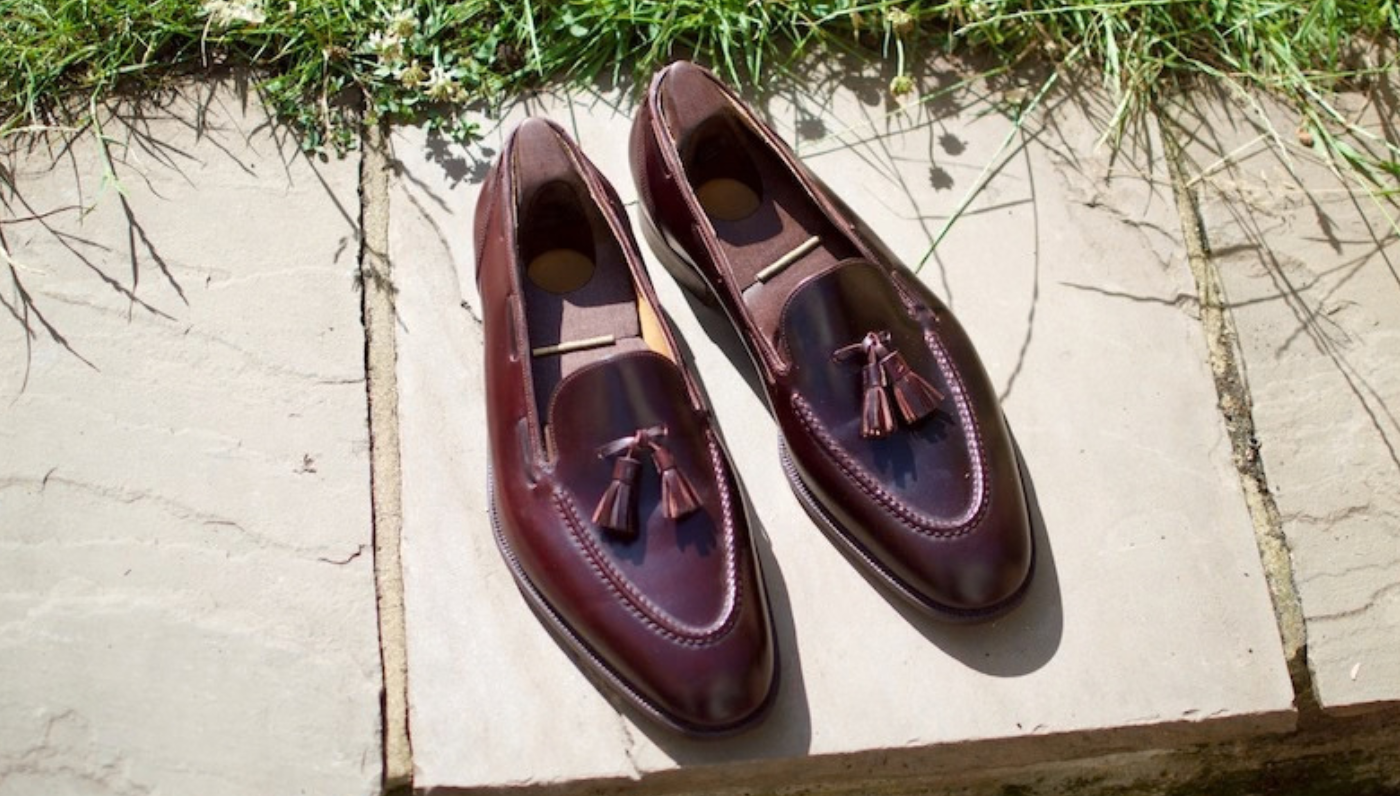
Nicholas Templeman spent seven years at John Lobb in London, working as a last-maker and fitter, before setting up under his own name in 2014.
His shoes are grounded in the West End tradition. The lasts are carved by hand, the construction is substantial and the shapes tend to avoid the more theatrical proportions found in some contemporary bespoke work.
Simon Crompton has praised both the fit and the understated styling of Templeman's shoes. Derek Guy of Die, Workwear! has also commissioned several pairs and described Templeman as one of the best craftspeople he has worked with.
Templeman has since moved his business from Britain to Vancouver, where he now receives clients by appointment.