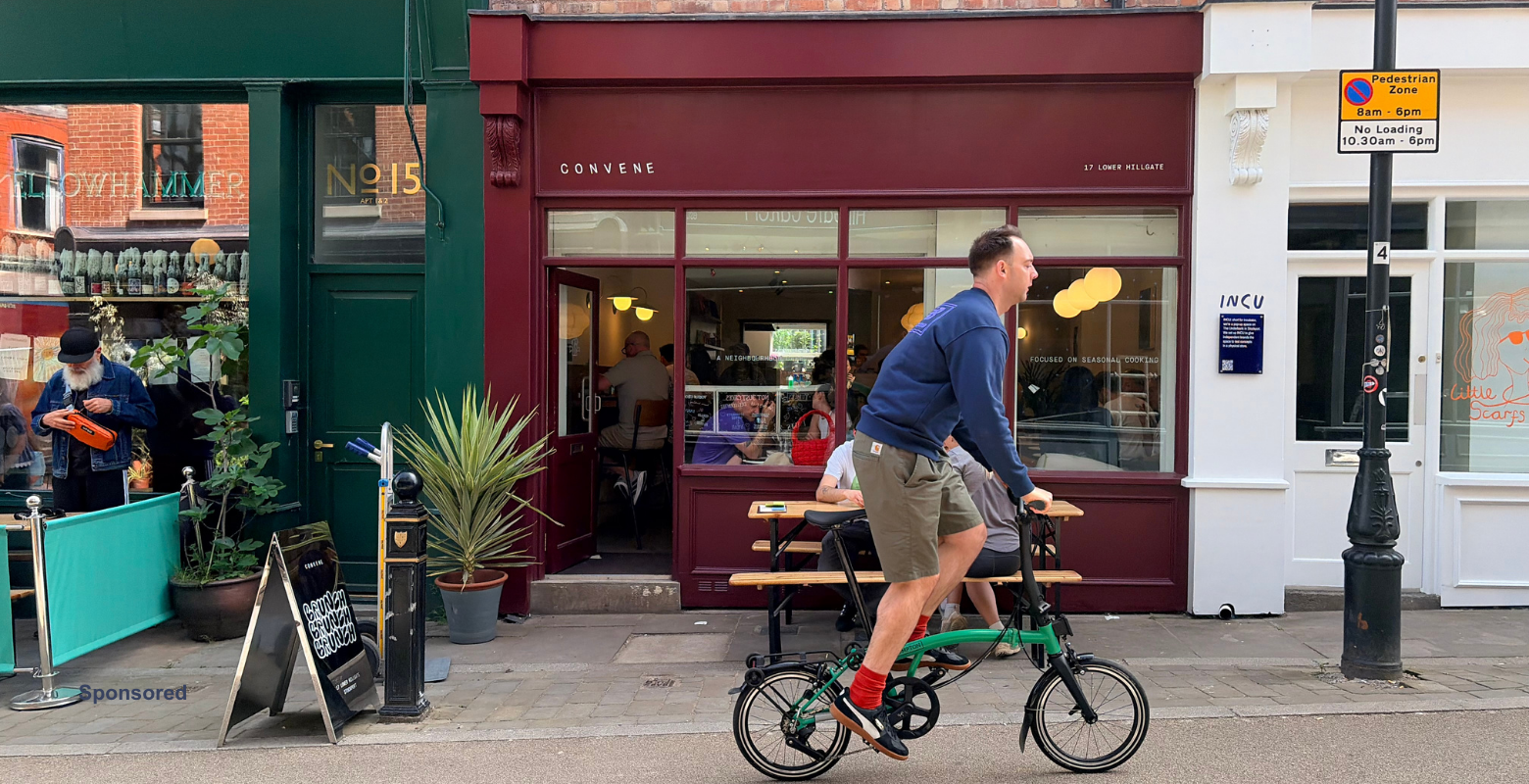
Beneath the Victorian market hall, on streets that five years ago were all shutters and decline, Stockport's old town has become the North West's most talked-about foodie quarter.
The Sunday Times got there first. In its Best Places to Live guide it called Stockport one of "the coolest little corners of the country", a phrase I'm sure the town has worn like a sash ever since and the council repeats at every ribbon-cutting. The judges were careful, though, about what they were actually looking at: a proud old town becoming fashion-forward, funky and family-friendly, if you looked beyond the high street.
Because the Underbanks are not the whole of Stockport. Walk in from the A6 and you get the town most people actually use: a vast Primark, the usual procession of pound shops, vape shops, mobile-phone kiosks and budget chains threading through the 1960s Merseyway precinct. The old Debenhams, long the emblem of the town's decline, is no longer a boarded-up shell, but nor is it some glittering rebirth. The unit reopened in 2024 as Joseph James Furniture Outlet, 90,000 sq ft of discounted sofas that one local described, not unkindly, as "the TK Maxx of sofas."
A short walk away sits the genuinely impressive new piece of public spending: a £140m transport interchange, which you'll see in the Short above. Opened in 2024 on the site of the old bus station, with 18 bus stands and 164 departures an hour, it's topped by Viaduct Park, a two-acre rooftop park, the first of its kind in the UK. The CPG-deli-and-flat-white quarter is one cobbled enclave within a workaday Greater Manchester town, which is exactly what makes it remarkable that it exists at all.
Not too long ago, even the enclave had little to show. The two streets that give the area its name, Great and Little Underbank, tucked below the market hall, were a run of shuttered units and good bones gone to seed. The "new Berlin" tag, coined by the DJ Luke Una, was funny precisely because it was preposterous. Stockport has the heritage: Strawberry Studios, where Paul McCartney, the Stone Roses, 10cc, Happy Mondays and Joy Division all recorded before it shut in 1993. Blossoms, the town's own chart-toppers, opened their own recording studio here, as well as a swanky cocktail bar, the Bohemian Arts Club, which has since closed. What Stockport did not have was a reason to get off the train rather than ride straight over it on the great brick viaduct.
That changed when money came along. A £7m restoration, funded by the National Lottery Heritage Fund and Stockport Council, brought the historic frontages back rather than flattening them. The first movers were Where the Light Gets In, the White Lion apartments and the Profolk co-working hub. In January the town was named Foodie Neighbourhood of the Year at the Manchester Food and Drink Festival Awards, beating its smarter southern neighbours Altrincham and Sale to the prize.

So let's begin where the town's modern-day reputation did, up a staircase you would never notice, on the top floor of a Victorian coffee warehouse. Where the Light Gets In is the work of Sam Buckley, a Stockport lad who fully intended to open in London until a friend pointed out the derelict warehouse after a night out. There is one menu, kept secret until you sit down, much of it grown on The Landing, a kitchen garden the team built on top of a multi-storey car park. It holds a Green Michelin Star.
The everyday energy is on Lower Hillgate, a few minutes' walk uphill.
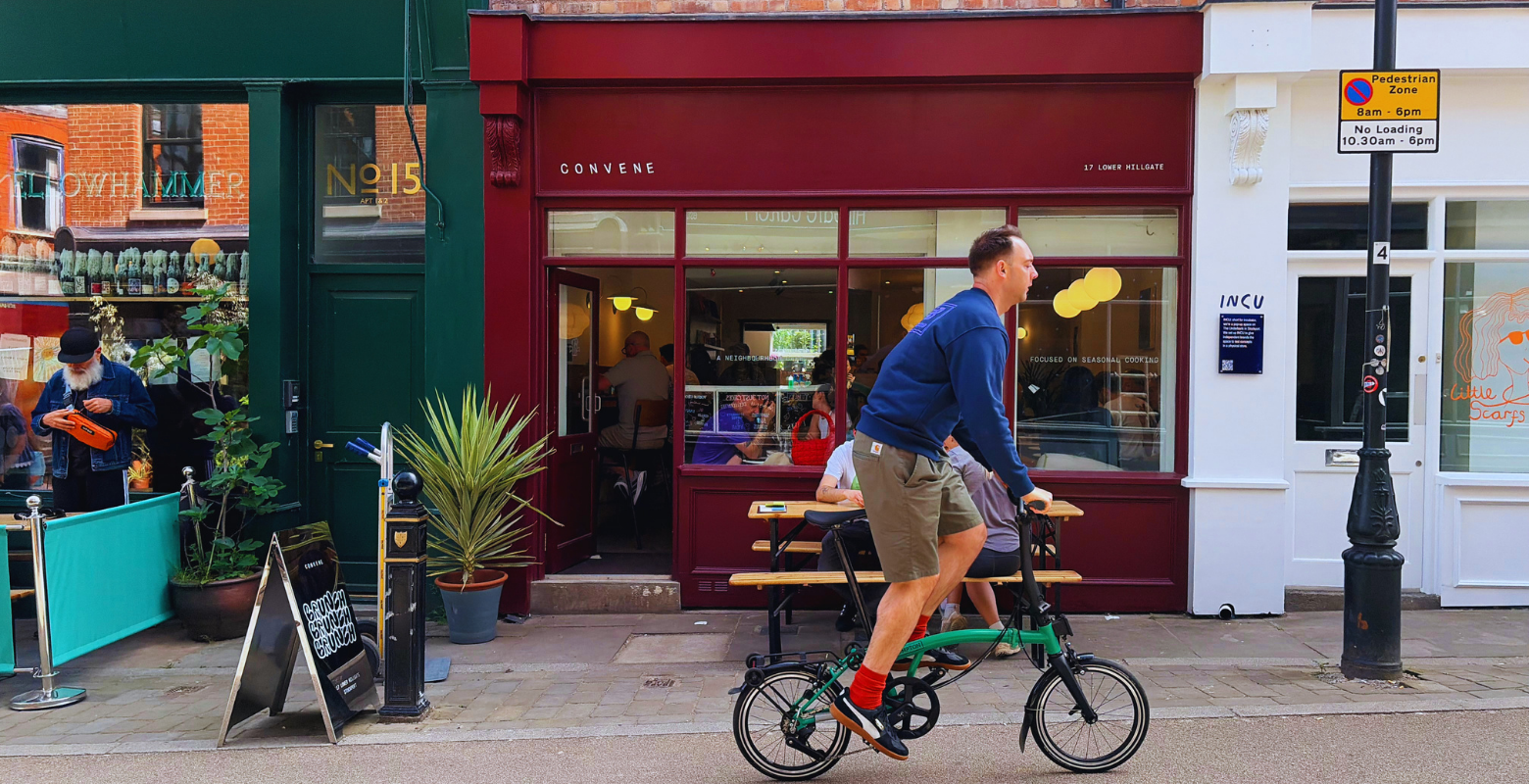
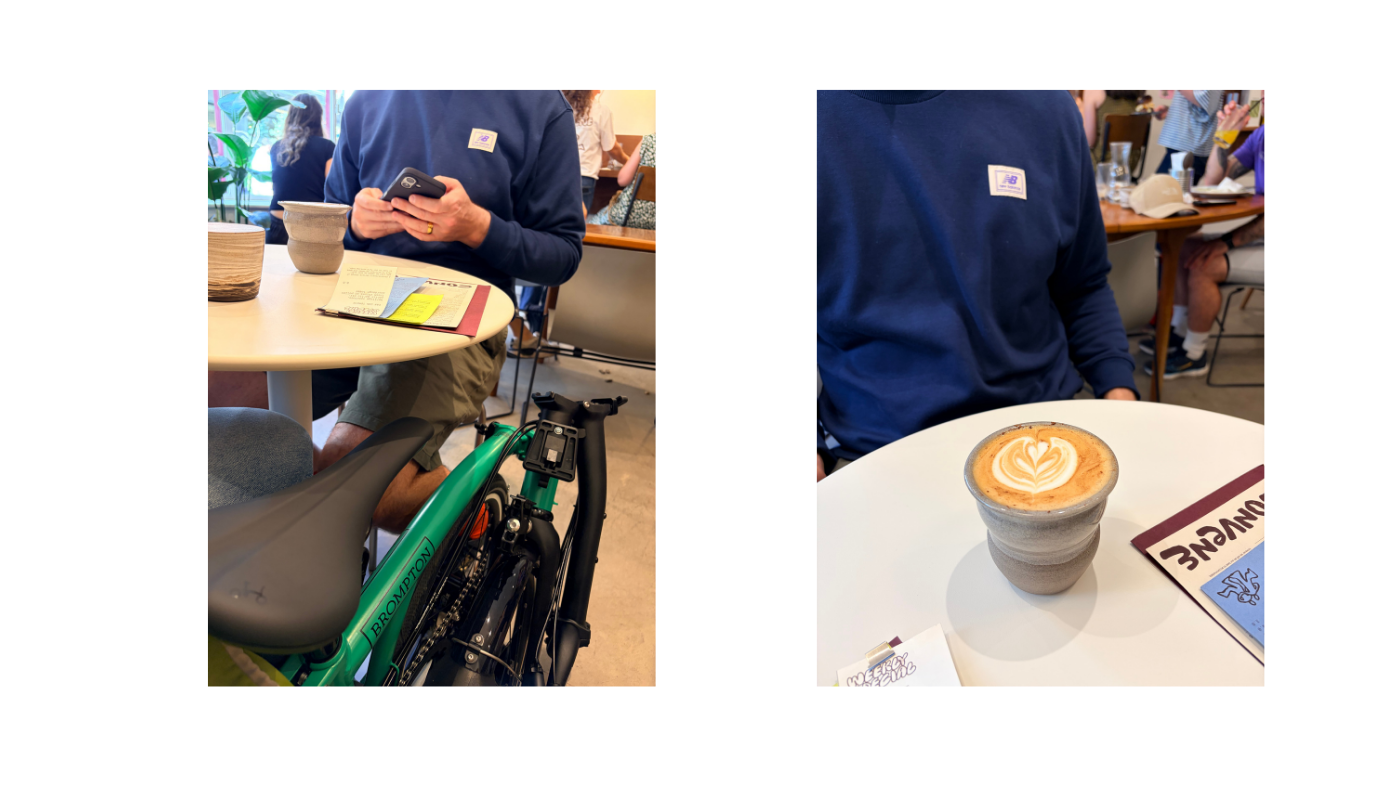
Convene, deep maroon frontage, "a neighbourhood café focused on seasonal cooking" in white across the glass, was full on a weekday lunchtime, a couple in running kit at the bench out front, every window seat taken inside. It is the kitchen of Isabella Cubrilo, formerly head chef at Altrincham's à bloc and the woman behind the Balkan Bible supper clubs, and it reads like a proper chef's café: spiced apple porridge, wild mushroom and miso eggs benedict, a full English built on grandma's sausages and house beans.
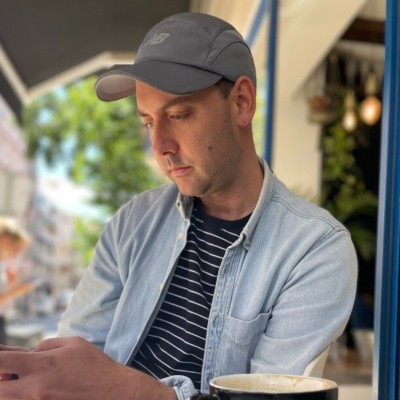
At the door you're greeted by a friendly Melburnian also taking calls on the landline, punters ringing ahead to reserve a table. For a minute I thought I was back at Neighbourhood Café in Lisbon rather than the north-west of England. How did a Melburnian, I pondered, find herself here; Manchester maybe, but Stockport? Then I had to pinch myself that specialty coffee existed in Stockport at all. The coffee came in a hand-thrown stoneware cup the colour of a rain cloud. It's thrown by Manchester-based ceramicist, Frida Cooper.
Convene is worth dwelling on, because it shows how this neighbourhood is being made, and who is watching. Cubrilo built the café more or less in public, documenting up to the launch on Instagram, so the place opened to an audience that already felt half-invested. It's one of a clutch of independents backed by INCU, short for incubator, a Stockport placemaking collective that hands small upstarts time, investment, advice and a bit of breathing room to grow.
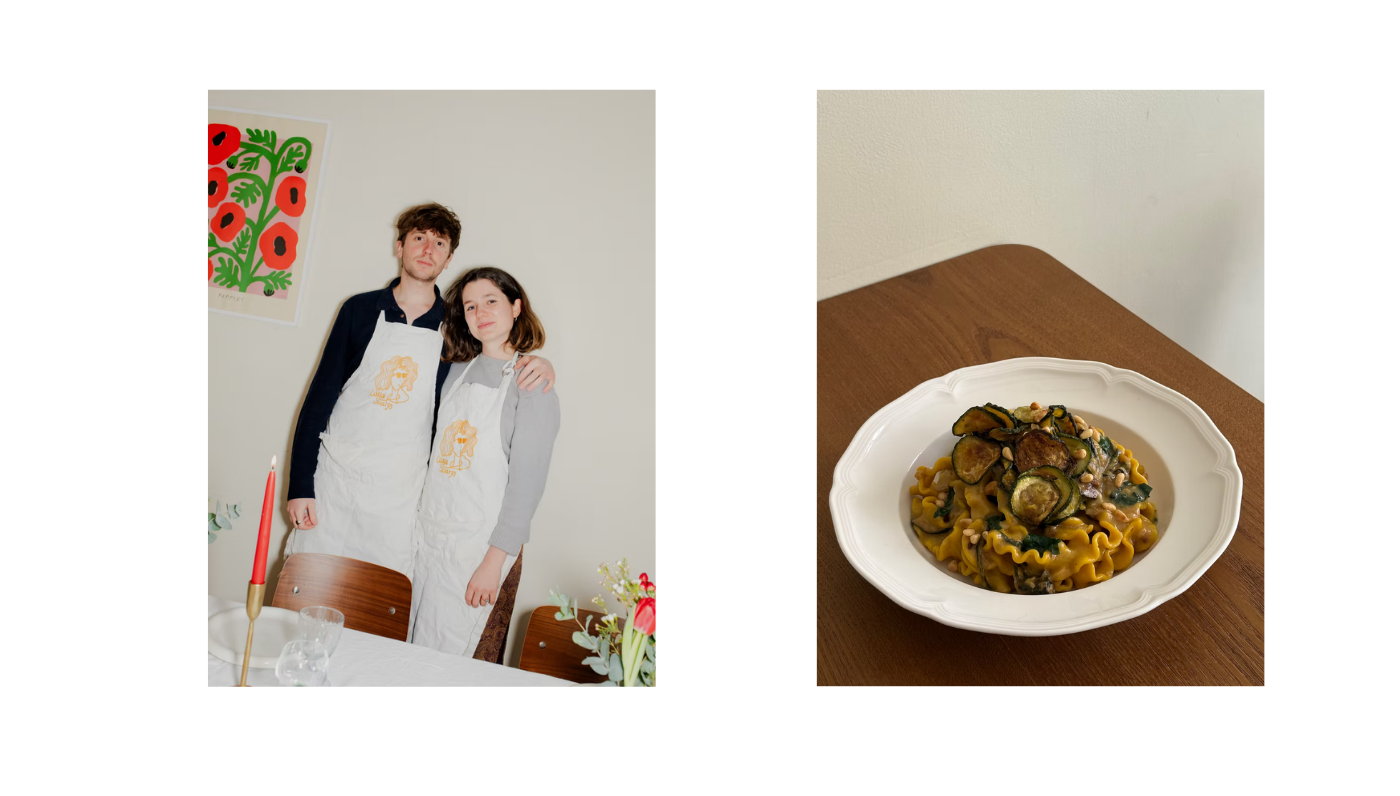
Little Scarfs, the fresh-pasta and natural-wine bar at 17A Lower Hillgate, is run by Hannah and Elliot, a husband-and-wife pair who a year before opening were working in different industries altogether. Wanting to do something creative, they bought a pasta roller and made pasta nearly every day for weeks until it was good enough to sell. Six months proving it at Altrincham Market followed; the permanent room opened in November 2024. It's tiny and veg-led: braided pastas, smoky aubergine, whatever's in season, chalked up and poured alongside low-intervention wine. And, it doubles as a studio running pasta-making workshops that sell out. Tim Anderson once walked in minutes after they opened the doors. Not bad for a lockdown hobby.
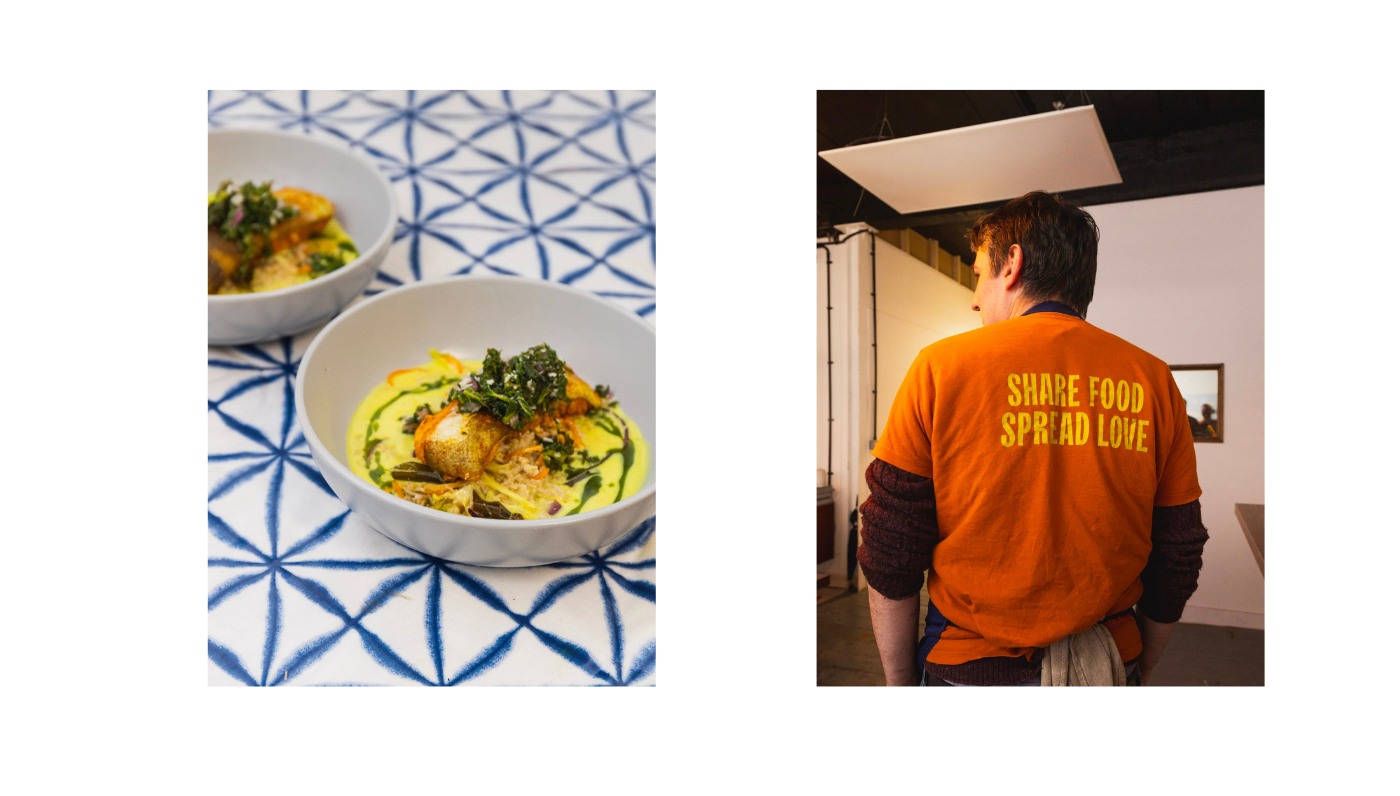
The Little Sri Lankan isn't a shopfront you can walk past, which is half the appeal. It's the supper-club and pop-up kitchen of married chefs Malanie and Michael Hooper Tillekeratne, who cooked in Michelin and Rosette restaurants from London to Australia before going out on their own. Working from recipes handed down by Malanie's mother, she still vets every dish to this day. It started with Sri Lankan ready meals sold through local Facebook groups in the pandemic, moved through market stalls, and became the monthly supper clubs that now sell out at Miru Mill, a former textile mill in town. The food is Sinhalese cooking. It’s ox-cheek curry, spinach parippu, roti made with foraged wild garlic, with Malanie talking the room through the culture between courses. Earlier this year they won Gold, Best in Class and the People's Vote at the International Salon de Culinaire street-food competition.
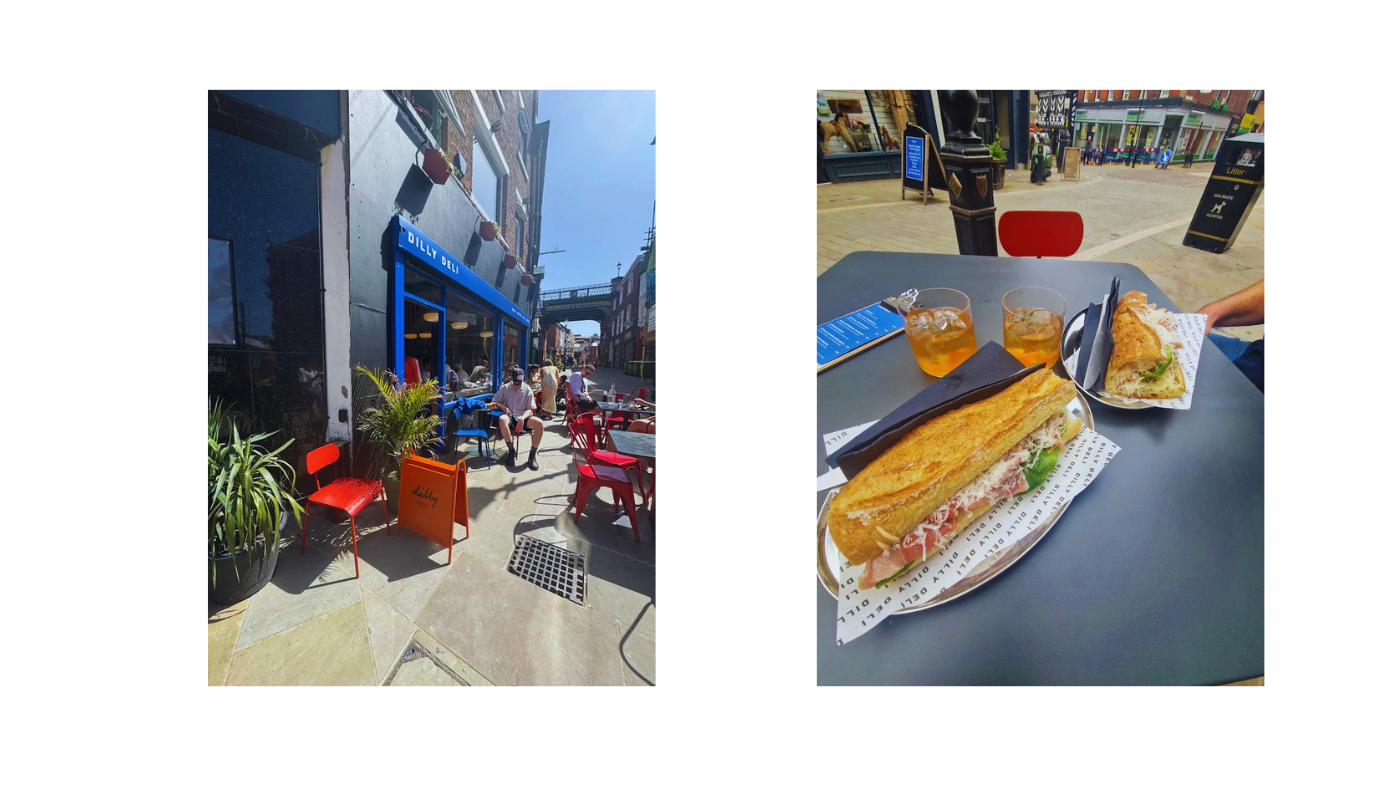
The Dilly Deli is the scene's all-day corner: oysters, sandwiches, spritz and wine, built for an afternoon that slides into an evening.
Documenting all of it is Acre (acre.film), a film and photography studio that has made the Underbanks' independents its subject, character-led films and stills.
The Underbank General Store announces itself in tangerine-orange paint, I Only Came For Milk lettered on the glass, a rack of cut flowers on the pavement. The shop sells a variety of items, from basics to artisanal and start-up CPG brands. It's the work of the team behind Ōdiobā, one of several operators here now on their second venture.
Round on the cobbles, Rare Mags keeps its cobalt-blue Victorian front stacked with indie magazines and art books, a battered bench out front.
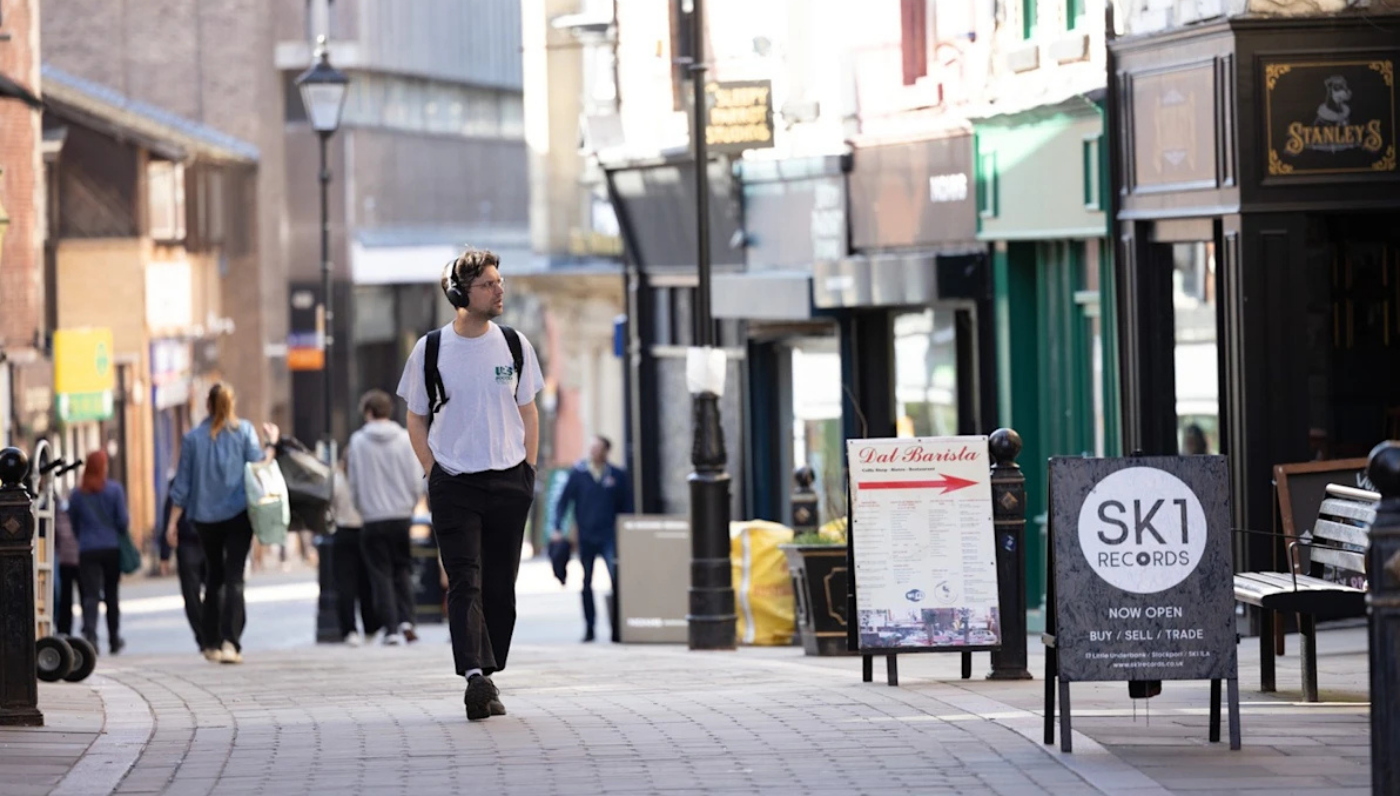
SK1 Records on Little Underbank since 2018, is the record-shop-and-café of producer Joe McBride (aka Synkro), built on his own 7,000-strong collection with an £8k council loan. It’s equal parts cratedigging, coffee and the odd house-and-disco street party.
The streets are strung together by murals: Emily Flanagan's Shop Small, Love Local, Otto Schade's Jimi Hendrix and a tribute to the late Sarah Harding among them.
Bruk, which opened in early 2025 in a former Little Underbank betting shop, is the one everyone names: stripped-back and vinyl-led, natural wine and properly made cocktails, staff who know their pours and music kept at conversation level. One local guide calls it, without irony, a wine bar with a "Berlin-style" atmosphere; pints can still be had for about £4. It has become the strip's go-to late-night room. And the South Cumbrian brewery Fell, already a fixture in Chorlton and the Northern Quarter, has opened a neighbourhood bar pouring its own alongside rotating guests. Between them, Jon Dootson is now on to his third Underbanks venue off the back of Alfredo's and the White Lion.
The newcomers are not who you would have found a decade ago. Speaking to Stockport Nub News, Ewa, who moved from Warsaw and has lived locally more than 20 years, called the Underbanks "like Stockport's Northern Quarter" and dwelt on how clean and calm it now feels; Katie, 24, told the same paper she had come over from Northern Ireland for university and stayed, taking a flat in the old town for exactly this. Graduates who would once have bolted for Manchester or London are putting down roots, and more than 1,200 new homes have been built, with another 1,500 coming to hold them.
Not everyone is cheering. The same Nub News report found Ghaz Harb, who has run the electronics shop Electrocom in the town centre for 27 years and is closing this year, distinctly unconvinced: "It seems to be going in one direction which is food and drink, not other types of shops. It's not that vibrant mix", adding that the older traders are going and "everyone wants to make this into a club or pub now."
The enduring thing about what has happened here, as more than one trader will tell you, is that nobody planned it into being; it came together organically, one independent at a time. Whether that survives contact with the rest of the town, the chains, the rents, the £1bn of top-down regeneration rolling in around it, is the only question worth asking now.